Introduction
The word “sustainability” has become very popular, and industry worldwide is beginning to recognise its importance. Steps are being taken to fight against global warming, to reduce carbon emission or footprint and to find alternative materials that are recyclable and more environment-friendly.
What, though, does “sustainability” mean?
One definition, and a good one for our purposes, is “meeting our needs today without sacrificing potential future generations’ abilities to satisfy their needs tomorrow.”
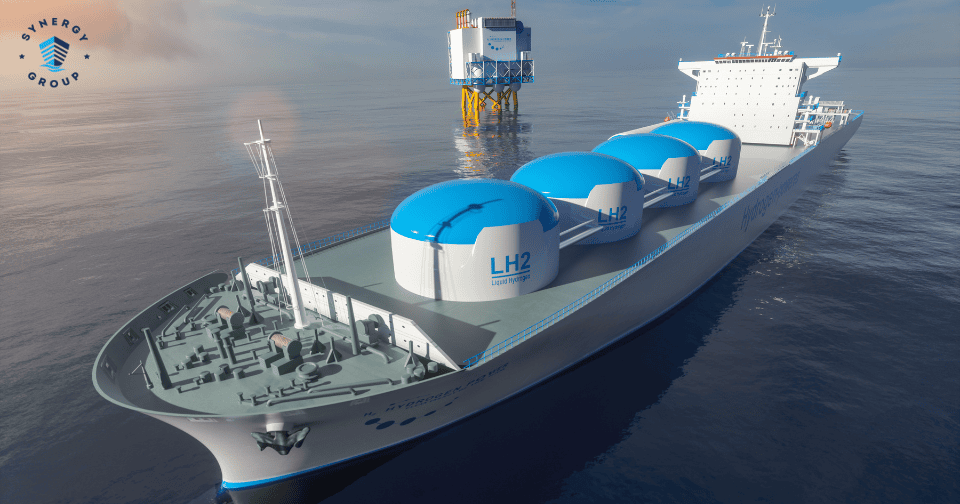
The maritime industry is involved in many initiatives to attain sustainability by 2030, but there is still a long way to go. However, the industry should certainly succeed in substantially reducing its carbon footprint by 2030, with current measures like focusing on energy savings, reducing environmental impact by introducing renewable energy sources like wind and solar energy and investing in energy-efficient technology like hybrid propulsion systems, and also bringing in new and improved vessel designs. Another increasingly common step is to employ automation and digitisation to streamline processes and reduce emissions and fuel use.
Some other specifics
As well as all that, though, are these absolute essentials, each of which is a vital part of this effort:
- 위험을 줄이고 직원의 복지를 보호하기 위해 이해 관계자는 엄격한 안전 규칙 구현을 강조하고 최첨단 장비에 투자하며 이에 필요한 교육을 제공해야 합니다.
- 차별의 완전한 철폐, 평등한 기회와 매력적인 임금 제공과 같은 공정한 고용 관행은 업계 전반의 표준이 되어야 합니다.
- 긍정적인 직장 문화를 조성하고 전반적인 성과를 향상시키는 다양성과 포용성도 표준이 되어야 합니다.
- 가능한 경우 유연 근무제를 포함하여 일과 삶의 균형을 개선하면 의료 서비스에 대한 접근성이 향상되고 웰빙 이니셔티브 및 심리적 지원이 향상되어 선원의 삶의 질과 생산성이 크게 향상되어 직원 유지율과 연속성이 향상됩니다.
Core needs, with education absolutely key
With much of the industry still largely self-regulated, a clear and comprehensive regulatory framework is needed, or there will obviously continue to be great inconsistency in all of the above, and also in wider social responsibility. Governments, environmental organisations and all marine industry stakeholders must come together to sort out standardised regulation.
많은 기업들이 여전히 전혀 준비되지 않은 상태에서 발생하는 상당한 비용은 또 다른 어려움을 야기하며, 정부, 금융 기관 및 국제 지속 가능성 기구는 재정적 지원을 제공해야 합니다.
해양 부문은 또한 지속 가능성과 그 중요성 및 잠재적인 장기적 이점에 대한 교육과 인식이 여전히 부족한 문제를 해결해야 합니다. 그것 없이는 어떤 이해 관계자도 시작조차 할 수 없습니다. 더 넓게는, “교육에 투자하거나 스스로를 교육하지 않는다면 그것은 바다 [the industry] 에 돈을 던지는 것과 같을 것”이며, “지속 가능성을 촉진하려면 인식과 교육 이니셔티브에 대한 지출이 필요하다”고 말했습니다.
이해관계자가 조치를 취하도록 동기를 부여하고 지속 가능성을 지원하기 위해 기업은 교육 및 인식 제고 프로그램에 투자해야 하며, 변화하는 산업에 대한 전문성 개발과 적응력을 촉진해야 합니다.
The marine ecosystem
This is a huge topic, but just to take one particular aspect, the noise from shipping is one of several factors that significantly affect the marine habitat. According to a European Economic Area assessment it interferes with the communication and behaviour of much marine life. The same EEA research also emphasised the significance of implementing environmental laws and incentives to move the entire maritime sector towards more environmentally-friendly practices.
우리 산업이 생태계에 미치는 영향을 줄이기 위해서는 엄격한 환경 법규를 시행하고, 친환경 기술을 채택하고, 윤리적인 폐기물 관리를 촉진하는 것이 중요합니다. 또한 투명성을 채택하고 전체 공급망에서 높은 도덕적 기준을 유지하면 윤리적인 소싱, 규정을 준수하는 공급업체에 대한 존중 및 비윤리적 행동에 대한 효과적인 대처로 이어질 것입니다.
Conclusions
I see 2030 not as a deadline but as a waypoint along the pathway to complete sustainability, when commercial success, social responsibility and environmental protection will co-exist.
이를 달성하고 2030년까지 이에 근접한다는 것은 인간의 지속 가능성이라는 중요한 문제를 해결하는 것을 의미하며, 이를 위해 이해 관계자는 선원의 복지를 우선시하고 공정한 노동 관행을 발전시키며 개인 개발에 자금을 지원함으로써 오래 지속되고 고무적인 작업 환경을 조성해야 합니다. 이는 재생 가능한 에너지원을 통합하고, 에너지 효율성을 우선시하고, 지역 사회와 협력하고, 해양 생태계를 더 잘 돌봄으로써 환경 지속 가능성과 결합되어야 하며, 이 모든 것은 모두에게 적용되는 완전하고 적절하게 집중된 규칙 매트릭스 내에서 그리고 이를 통해 이루어져야 합니다.
About the author:
Karthick Ramalingam serves as a Second Mate with Synergy Marine Group, where he is responsible for navigation, updating charts and publications, and maintaining navigational equipment.
He also oversees safety protocols and ensures the vessel’s compliance with maritime regulations. Aspiring to become a Master Mariner, Karthick finds navigating open waters and mastering safety systems deeply rewarding. Beyond his maritime career, he enjoys Tamil literature, music, photography, and interior design. Traveling and exploring maritime trends reflect his commitment to both professional growth and creative pursuits.